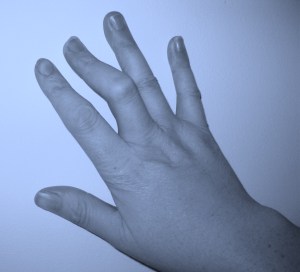
 This list is a compilation of ten things you should do when you have RA. After seeing the destruction it can cause, I want to share what I’ve learned.
I want you to keep this in mind. I understand for those of you having the worst issues with RA… your biggest problem is that there is a huge lack of energy. Therefore, making so many things (especially on this list) seem harder and impossible. The best thing I can say here is: Find support, push yourself, find your motivation, and just make the first steps. Still today, I can’t believe how much finally getting on the right medications and taking them correctly (not missing a pill here or a shot there) made the most wonderful difference in my life. A step in the right direction is the best step you can take…even if it’s the only step you can take.
This list is no particular order and is based on my own opinions.
1. Always keep a Rheumatologist and keep them up to date. You never know when a flare might hit or something unexpected could happen. You don’t want to get caught without someone to keep you on track. If your doctor isn’t helping you and you feel your doctor isn’t doing a good job, start the search for a new one. Let me point out though, keep your Rheumatologist until you can become established with another doctor. Some Rheumatologists have waiting lists of 2 or more months, so you’ll need someone to see and write your scripts while you wait.
2. Take your medications like prescribed. If your medications aren’t working for you or you have a question, talk to your doctor. Here’s a hint: If your meds are working good for you….you won’t feel like you have RA. You may have some joint damage that may still cause limitations, but the main pain that you feel when RA isn’t controlled, will be mostly gone. I didn’t know this was possible a long time ago. Most of the things I took, just slightly lessened the pain. Now, except for the limitations I’ve developed over the years from not doing most of the things I needed to do, I can live and feel pretty normal.
3. Stretch. Stretching helps more than some might realize. A lot of the pain you get with RA can come from tension and weakness in your muscles and tendons. Have you ever woke up in the morning and spent at least 5 minutes doing some plain old stretching and thought, mmmm that felt really good? Then maybe you noticed you felt looser. If you spend a lot of time sitting in one place, you really DO need to get up when possible and stretch. Walk around. Raise your arms. Touch your toes. Turn your head back and forth, to your chest, and back toward your back. Don’t forget to stretch your elbows, wrists, and fingers periodically. Your doctor can talk to you about this and probably give you some handouts on great stretches for people with RA. Here is a link from WebMD.com for hand stretches: http://www.webmd.com/rheumatoid-arthritis/guide/hand-exercises-rheumatoid-arthritis
4. Exercise. You knew it was coming. It’s true though, your body especially, needs exercise. Weak muscles can really inhibit your abilities to do a lot of things. If you’ve broken a bone, say an arm, then you might remember how weak it was after it was immobilized for a length of time. You may have needed some physical therapy to get the strength back. Well, it’s a lot like that with RA. Your joints hurt, so you’re afraid to move them. It’s human nature to not want to cause pain to ourselves. However, the less you move, the more your muscles weaken and begin to deteriorate. Which means, you feel even more crippled. No one needs to feel like this if it can be helped. You don’t have to strive for six packs and marathons. Just simple activities and exercise can make a difference. A physical therapist can do great wonders in helping you get those stubborn body parts going again. If you’re thinking right now, physical therapists..nah, I won’t go there. Well, then maybe you don’t hurt that bad or you need to hear a giant pop (joking). Even in one session they can teach you the best exercises to strengthen your weakest parts. Keeping your weight under control is a good thing regardless of whether or not you have RA or you’re free of health issues, and one good thing that comes out of exercise is it’s help in tending to weight problems or maintaining weight.
5. Make time for you. I can’t stress this enough. People who don’t have RA, really have no clue what you’re going through. They’ll want to pull you one way or another. Remember, they don’t understand, but you do. If you need two hours in the morning before you can feel good enough to do something, then take two hours. I’m not saying a little push here and there isn’t good for you, but the point is to do what’s best for you. Especially making certain, that you make time for those exercises and stretches I was telling you about. If you were on your feet most of the day and every step has become agonizing (this can still happen even with great meds or medicinal remission) get off of your feet. Whatever it is can wait and if it can’t, ask for some help. Also, more importantly make time to do the things you enjoy. People who have RA have a tendency to get depressed, so it’s important to take time out here and there to remember what matters and what fun life can be. I mean, if you’re depressed, you don’t want to take care of yourself and when you have RA it’s very important that you do.
6. Challenge yourself. Don’t be afraid to set goals and make plans. One thing I’ve learned while having RA is it can be hard to make plans or set goals. Once again, I’m stressing the fact that you should really make sure you’re on meds that work well for you. The reason is, those “bad days” can almost be eliminated. Which can really help when it comes to making plans and setting goals. In the days where I would have random and really bad days, I found it was nearly impossible to actually achieve what I set out to do. This alone, can play a part in depression. I have a hard time sitting on the floor. It’s uncomfortable getting up and down from it. It’s not all that comfortable while I’m there either. In spite of this, every once in a while, I just do it. I make the extra effort and make a big kaboom as I land on my bottom. Not the biggest challenge I’ve put on myself, but it’s something that even 5 years ago I wouldn’t have thought possible.
7. Do your research. There are a number of things you as the patient can research to make things a little easier all around. In the days of high-speed internet, you can just about connect anywhere to find information you may be looking for. I’ve even been in the doctor’s office and when I had a question that my doctor was unable to answer, out comes his palm pilot where the answer was found. Although, I believe you should somewhat trust your doctors, I also believe you should keep your own eye out on new information related to RA and RA drugs. Looking for a new Rheumatologist, do your research there as well. Word of mouth has also been a useful tool for me in the past. Researching can involve better attention given to your surroundings when at a doctor visit too. Once, as I sat in a room in which the door was left open, I heard the doctor visit 2 patients before me. Each patient had been told they should schedule for a knee wash. So, I wasn’t surprised when it was my turn and I was advised to get a knee wash. I did some research and found that a lot of doctors use this to make extra money. That the procedure isn’t completely necessary and a lot of insurances won’t cover it. Another time research may come in handy is when it comes time to filling prescriptions. When our prescription insurance changed, I was unable to use the same pharmacy I’d been using my whole adult life. It also turned out Enbrel couldn’t be filled in the pharmacy unless I wanted to pay out-of-pocket. That wasn’t going to happen. What did I do? I researched and found out that I could have it delivered to me and my insurance would cover it. Weird, but hey, as long as I’ve got my shots and at a reasonable price, I’m happy. Once, we had a lapse of insurance. That’s when I found out about the Enliven Program. Basically, it pays to do your research.
8. Keep your own records. This was something I didn’t do and it was a big failure on my part. Giving your memory something to do is good, but you never know when you might need a back-up. Keep a record of the medications you’ve taken. The dosages, lengths of time, side effects, pros and cons, and effectiveness. Your doctor has records, but if records were lost somehow, would you remember what you tried 10 years ago and how it worked for you? Keep a record of doctor visits. Including what you talked about and how you felt that day. Many times I’ve went for my appointment with questions in hand and plans to talk about this or that. However, when the doctor came in I felt rushed so I skimmed to the issues I wanted to discuss the most. By the way, if every appointment feels rushed and you feel like you’re doctor isn’t giving you the time you need, it might be time to make changes. Keep a record of tests that were done. Which tests and the overall results. I’ve thought about keeping track of when a flare-up or just an increase of pain happens too. This might help with pinpointing triggers for the excess pain. Example, a cold rainy day. That tends to set many people with arthritis off. Stress is another possible trigger. A pain journal would be ideal in this case. I feel this is important. Has this ever happened to you? Your appointments are generally 3-6 months apart and you experience a lot of ups and downs during this period. The day you go in for your visit, you’re feeling really good. When two weeks ago, you were feeling like your body was falling apart by the hour. Did you tell the doctor about two weeks ago? Possibly, but possibly not because…you felt good the day of your appointment. The following link takes you to About.com in regards to how to keep a pain journal: http://pain.about.com/od/livingwithchronicpain/f/pain_journal.htm
9. Talk to your doctor about a handicap plate, sticker, or placard. You may not feel disabled or maybe you do. However, your pain is real and you’re trying to live your life to the best of your ability. Say it’s a bad day and you have errands to run or things to do. Why make it harder by having to park way out from your destination, if you can park closer? If it’s a good day, park out in the boonies if you want. The point is, at least you have options.
10. Take control of RA, don’t let it control you. If you take control, it changes everything. You have a life. Quality of life is the key here though. Breathing is not enough. Breathing fast because you just hiked a mile or chased your grandchild around the yard? Now you’re getting somewhere.
If anyone has more they’d like to add to my list, feel free!

 Upon yet another appointment with my Rheumatologist on Monday, I decided it might be time to make the change I’ve been thinking about. The wait time is usually minimal, it’s not hard to get appointments in a pinch, and the staff is pleasant. There are many pros to my doctor’s office. However, when it comes to the fifteen or so minutes I actually spend with him, I feel cheated somehow. I seriously think he could have a double life as a salesman. Why do I say that? When he enters the room it’s how are you, compliment, compliment, blah blah blah. Then comes the inevitable talk about a knee wash (Arthroscopy) he feels it’s necessary I get. When I turn him down, he instantly has a scour on his face and becomes agitated for the rest of my appointment in which he will still push a knee wash. I’ve done a bit of research, and what I’ve read leads me to believe I’m not a candidate for this. As well as, it may cause more pain. The following are links to a few articles on the subject:


 Dreamzncolor